FRUGAL CREATIVE LIVING
FRUGAL CREATIVE LIVING
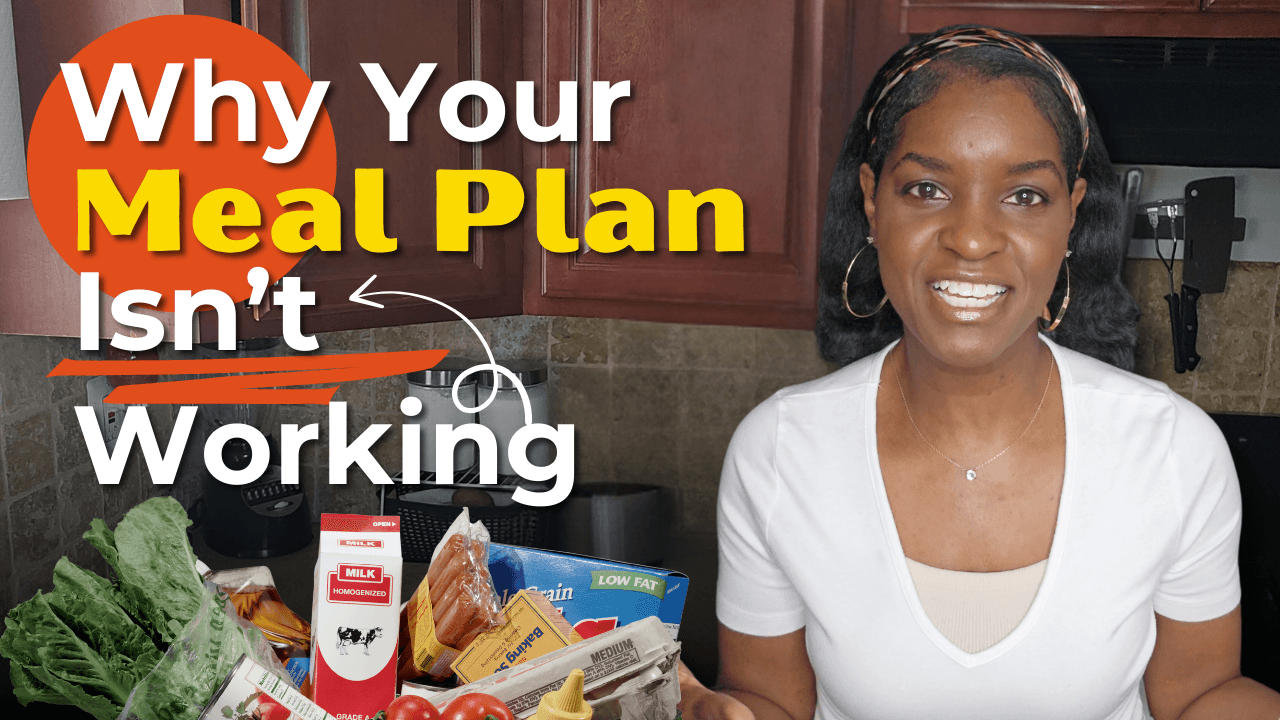
6 Common Meal Planning Mistakes (and How to Fix Them on a Budget)
The Stress of “What’s for Dinner?”
For years, deciding what to feed my family every day felt like pulling teeth. I’d stand in front of the freezer or pantry, overwhelmed and unprepared. One month I even tried making a 30-day meal plan—only to spend more money and throw away food we never ate.
Sound familiar?
If meal planning feels like a burden, you’re not alone. The good news is that the problem isn’t you—it’s the approach. Once I figured out what I was doing wrong, meal planning became easier, cheaper, and a whole lot less stressful.
Let’s walk through the six biggest mistakes I (and maybe you) have made when meal planning on a budget—and how to fix them.
Mistake #1: Planning Complicated Recipes
It’s easy to get excited about recipes you see online—vegan enchiladas with homemade cashew cheese, anyone? But here’s the problem:
Complicated recipes often call for expensive ingredients you’ll never use again.
Your family may not even like the final result.
You end up tired, frustrated, and tempted to order takeout.
The Fix:
Stick to recipes with 3–5 ingredients (unless you already own the specialty items). Rotate your family’s tried-and-true favorites, and save the “fun” experimental meals for one night a week.
Foundation foods like rice, pasta, beans, eggs, and frozen veggies are your best friends—they work in countless meals.
Mistake #2: Planning Every Meal Like You’re in Survival Mode
The opposite problem? Going too simple—rice, beans, repeat. That kind of monotony can make meal planning feel like punishment.
The Fix:
Add one fun or flexible meal each week:
Taco Tuesday
Homemade mini pizzas (everyone adds their own toppings)
A recipe you saved on Pinterest years ago but never tried
This little cheat meal (budget-wise, not calorie-wise!) gives you something to look forward to and keeps your meal plan sustainable.
Mistake #3: Ignoring What’s Already in the Pantry
Raise your hand if you’ve ever bought rice, only to come home and find two unopened bags already sitting in the pantry. Yep, been there.
The Fix:
Always shop your kitchen first.
Take 5–10 minutes before planning to scan your pantry, fridge, and freezer.
Keep a running inventory on a whiteboard or list on the fridge.
Aim to plan at least two meals per week using only what you already have.
I created a master inventory checklist that helps me stay organized. Its included in my Weekly Meal Planning bundle that you can download for free.
Mistake #4: Not Checking Sales First
If you plan spaghetti, tacos, and stir fry—but meat isn’t on sale—you could blow your entire grocery budget.
The Fix:
Check your store’s app or weekly circular before finalizing your meal plan. Let the sales guide your menu.
Build meals around 1–2 proteins that are on sale.
Choose items that stretch across multiple meals (e.g., ground turkey for tacos and spaghetti).
Stock up on produce deals you can use in more than one dish (like sweet potatoes for fries one night and mash the next).
Pro Tip: Sign up for your grocery store’s loyalty program to access digital coupons and member discounts.
Mistake #5: Forgetting Snacks
You’ve planned dinner. You’ve got leftovers for lunch. But then it’s 3 p.m., you’re starving, and the only thing around is a half-eaten bag of Halloween candy. Cue an unplanned gas station run—or worse, drive-thru.
The Fix:
Treat snacks as essentials, not extras.
Make a batch of muffins or granola bars ahead of time.
Keep grab-and-go fruits like bananas or pre-cut veggies handy.
Stock yogurt, crackers, and popcorn.
Stash emergency snacks in your car or bag to avoid hangry spending.
Mistake #6: Overplanning Every Meal
Meal prep warriors, I’m talking to you. Planning breakfast, lunch, and dinner seven days a week sounds productive… until life happens.
The Fix: Build in flexibility.
Schedule at least one leftovers or freezer night.
Leave a blank meal slot to fill in later.
Plan simple one-pot or slow cooker meals that stretch across multiple days.
At my house, Thursday is my “flex night.” Sometimes it’s pancakes for dinner, sometimes it’s everyone fending for themselves. Either way, it keeps me sane.
Keep It Realistic
Meal planning isn’t about perfection—it’s about practicality.
Keep meals simple.
Use what you already own.
Let sales do the heavy lifting.
Don’t forget snacks.
And most importantly—leave space for real life.
If you’ve made any of these mistakes, you’re not alone—I’ve made them all (some more than once). But once you shift your approach, meal planning becomes less stressful and way more budget-friendly.
👉 Looking for more grocery-saving ideas? Check out my post on 10 Unexpected Grocery Hacks to Keep You on Budget.
Latest Posts